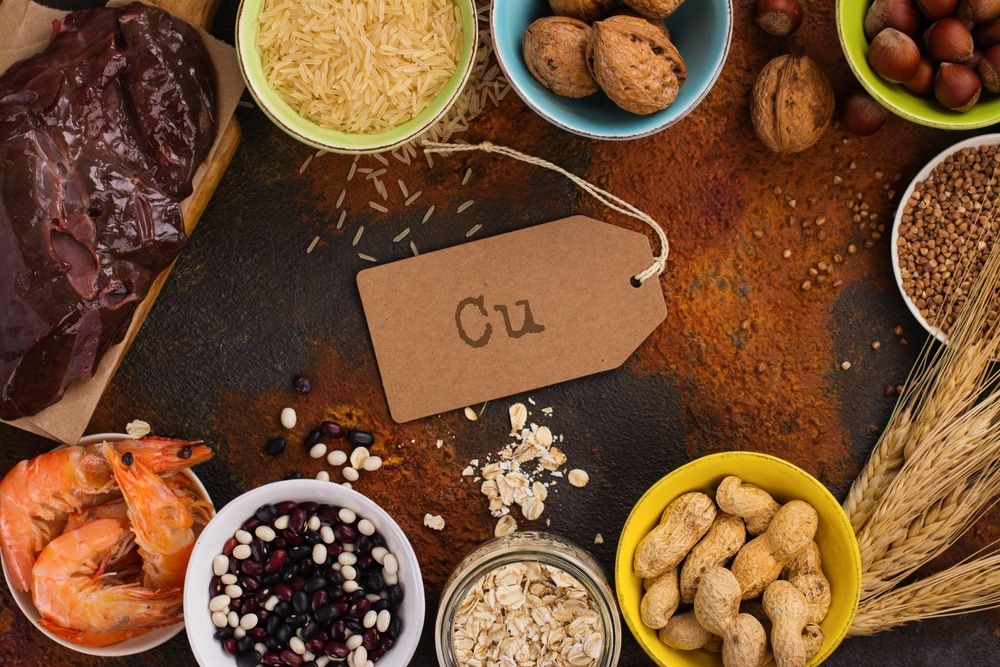
5 copper-rich foods that boost immunity and beauty, Signs of copper deficiency and how to treat it thru nutrition: Copper is considered an essential mineral for maintaining the function of bones and nerves as well as the health of the skeletal system. On the other hand, low copper levels in the human body can cause serious discomfort and health problems. Additionally, consuming foods high in copper is crucial to preventing copper deficiency in the body. Copper can be obtained thru the diet from both plant and animal sources. Therefore, include these foods in your diet; because the body needs copper daily and cannot store it in sufficient amounts.
What are the benefits that copper provides to the human body?
The benefits that copper provides to the human body, there are many serious health problems that can arise from copper deficiency. Although the body cannot produce copper on its own, it is the third most abundant mineral in the body. Since consuming specific meals is the primary way to obtain copper. The liver, kidneys, hearts, and brains contain the majority of copper. It is also essential for supporting body growth and repair, in addition to healthy metabolism.
Melanin, bones, and connective tissues are partially produced by copper. Copper is also essential for the body to function properly in a variety of enzymatic reactions and to maintain the health of connective tissues. Where copper is eliminated from the body thru bowel movements and urine. Additionally, there are many benefits of copper that have a significant impact on human health, such as:
- Encourages proper metabolism
- Gives the body vitality
- Essential for healthy brain development
- It may reduce arthritis symptoms.
- Maintains the health of the nervous system
- Enhances and maintains a stable skeletal structure
- Essential for healthy development and growth
- Helps regulate thyroid activity
- Prevents iron deficiency or anemia
- Essential for skin, hair, and eye health.

7 Guava Boil Recipes for Colon Health and Quick Weight Loss
How does copper deficiency appear in the body?
Copper deficiency in the body appears, and the absence of copper in the body is the hallmark of copper deficiency. Since 0.9 milligrams, or 900 micrograms, of copper is the recommended daily amount. The usual sources of the required amount of copper for humans include water from dietary supplements and food. However, there are times when people do not consume enough copper, which can lead to a variety of health problems. However, people who are underweight and consume low calories are more prone to copper deficiency.

Why does copper deficiency occur in the human body?
Copper deficiency occurs in the human body, and the majority of people get enough copper thru their diet. A copper deficiency resulting from insufficient copper consumption would be uncommon. The main causes of copper deficiency are genetic factors. Genetic copper deficiency may result from inadequate absorption, starvation, or high zinc consumption. Additionally, extremely high iron levels, which are often a result of dietary supplements, may also hinder copper absorption.
A person’s ability to absorb copper is often affected by problems in either organ, as the body primarily absorbs copper in the stomach and then in the small intestine. Another important vitamin that works closely with copper is zinc, and consuming too much of it can lower copper levels. Therefore, one should avoid taking a daily dose of zinc supplements that exceeds the upper permissible limit, which is 40 milligrams.
Adults usually need 8-11 mg. Copper deficiency can also occur in individuals with gastrointestinal disorders. Since the stomach and the duodenum of the small intestine absorb copper, individuals who have undergone gastric bypass surgery may develop malabsorption. This also applies to diseases such as pancreatic diseases or digestive disorders.

What are the indicators of copper deficiency in the body?
Indicators of copper deficiency in the body, doctors may find it difficult to diagnose copper deficiency due to the similarity of symptoms with those of many other diseases. For example, the signs and symptoms of copper deficiency and vitamin B12 deficiency are the same. The individual’s immune system and energy levels may also be affected by low copper levels.
If you have symptoms and are likely to be deficient, consult a doctor. Blood tests for copper deficiency or ceruloplasmin can be used to confirm the condition, but inflammation is likely to inadvertently raise the levels. Low blood copper levels can also be restored using copper supplements as a treatment for deficiency.
You will not experience symptoms of copper deficiency once your body reaches the required level of copper. And among the signs that lead to copper deficiency in the body are the following:
- Pale skin
- Growth retardation
- Loss of vision
- Weakness and fatigue
- Osteoporosis and its weakness
- Ease of bone fractures
- Recurring illnesses
- Memory problems
- Severe difficulty walking
- Early gray hair
- Cold allergy
- Dermatitis and skin blisters
- Unexplained muscle pain
- Also, ease of bruising
- Muscle movement problems can occur

How copper deficiency affects hair
The effect of copper deficiency on hair, copper deficiency can have an impact on a person’s hair; it is essential for the production of melanin. Where the pigmentation or color of a person’s hair largely depends on melanin. As a result, some medical professionals expect that low copper levels may affect a person’s hair color and cause premature graying. Additionally, not much research has been conducted on the links between copper and changes in hair color and hair loss.

How is copper deficiency diagnosed in the body?
Copper deficiency in the body is diagnosed, and the doctor will ask you about your medical history. In addition to the types of medications and dietary supplements you are taking, in order to determine copper deficiency. When evaluating copper deficiency, they take the symptoms into consideration. They may also take your risk factors into consideration, among these:
- Excessive intake of zinc supplements
- History of upper gastrointestinal surgery
- History of gastrectomy
- Also, the history of bariatric surgeries, including gastric bypass surgery.
Additionally, to determine if blood copper levels are low, your doctor may also order a plasma copper blood test. Due to the possibility of falsely elevated copper levels in the blood by other variables, this test is not a definitive diagnostic tool for copper deficiency. If the copper level is less than thirty percent of the expected normal range, doctors usually consider the patient to have a significant deficiency.

What is the appropriate amount of copper?
The appropriate amount of copper, here are the recommended dietary allowances for copper by age:
- Infants from 0 to 12 months: 200 micrograms (mcg)
- Children aged one to three years: 340 micrograms
- Children from 4 to 8 years: 440 micrograms
- Adolescents aged 9 to 13 years: 700 micrograms
- Also, adolescents aged 14 to 18 years: 890 micrograms
- People aged 19 and above: 900 micrograms
- For pregnant or breastfeeding women: 1000-1300 micrograms

Why oats deserve a place in your daily routine
What are the potential problems from copper deficiency in the body?
The potential problems from copper deficiency in the body, the three most common side effects of copper deficiency, are ataxia, pancytopenia, and anemia.
- Where a person with anemia suffers from a decrease in the number of red blood cells. And this affects the amount of oxygen that reaches the tissues and organs.
- The patient suffering from pancreatic insufficiency experiences a decrease in the levels of all three main components of blood cells. These consist of the number of platelets, white blood cells, and red blood cells. The immune system and the overall health of the body may be affected by this disease.
- Loss of control over body movements is known as ataxia. Low copper levels cause this because they have an effect on the individual’s nervous system.

What are the consequences of excessive copper intake?
The consequences of excessive copper intake, although copper is essential for good health, you only need to consume a modest amount of it each day. One form of metal poisoning that can result from excessive copper consumption is copper toxicity. The unpleasant and sometimes fatal side effects of copper poisoning include the following:
- Coma
- Diarrhea
- Stomachache
- Headache
- Kidney injury
- Liver damage
- Vomiting blood or food
- Difficulty breathing
- Irregular pulse
- Low blood pressure
- Paleness of the skin, or jaundice
However, it is uncommon to consume toxic levels of copper with a regular diet. Instead, this usually happens if you work in an environment containing high levels of peroxide or are exposed to contaminated food and water.

8 Benefits of Yogurt for Clear Skin and Weight Loss in a Week
What are the treatment methods for copper deficiency in the body?
Methods for treating copper deficiency in the body, the cause of your low copper levels may affect how copper deficiency is managed initially. For example, you may need to reduce your zinc intake if you are already consuming a lot of it. As an adequate treatment, doctors often recommend taking copper supplements. Copper gluconate, copper sulfate, and copper chloride are among the copper supplements available on the market.
Copper deficiency can be treated by taking about 2 milligrams daily; your doctor will determine the appropriate dosage for you. Increasing the amount of foods high in copper may also be beneficial. Also, your doctor may recommend intravenous copper treatments if your deficiency is severe and they are concerned that your body will not absorb copper supplements.
Lemon is a drop of sunshine for health and beauty
What foods contain copper?
Foods that contain copper, the recommended daily intake of copper, is about 0.9 milligrams. Since the daily diet of most people exceeds this amount.
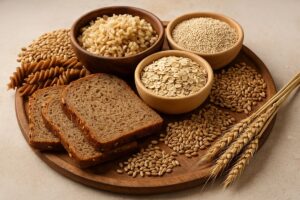
- Grains and bread are the most popular dietary sources of copper.
- The best foods to consume for copper are oysters.
- Also, to obtain copper, it can include sunflower seeds, crab meat, oysters, and cashews.
- Additionally, broccoli, potatoes, bananas, and pasta contain a lot of copper.

Finally, copper deficiency is not very common; because the element is present in large amounts in many foods. To meet your daily copper requirements, all you need to do is eat a balanced meal. It is advisable to talk to your doctor if you have concerns about your copper levels. Fortunately, most of these symptoms and indicators should disappear with increased copper consumption.























1 comment