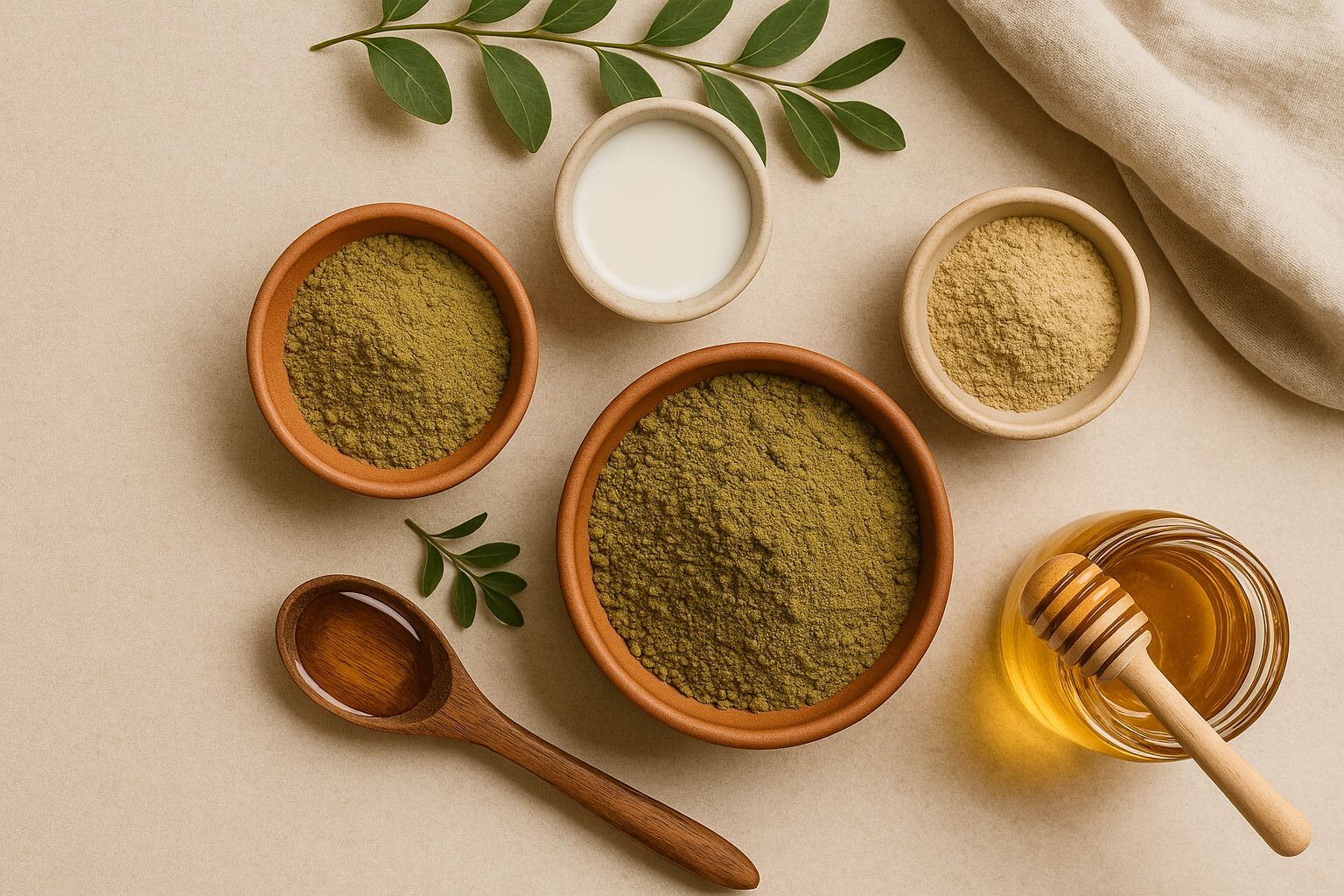
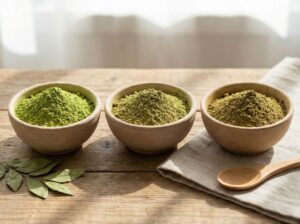
Henna: From decoration to care, Everything you need to know about henna, how often to use henna in a week, a tall shrub that can grow in subtropical and tropical environments. The henna plant reaches a height of 2.6 meters. Its small white or pink flowers distinguish it. Ointments and extracts are also made from its bark, seeds, and leaves. Henna is considered an essential element in traditional medicine. It naturally colors hair, skin, and nails. Cosmetics and care products are made from them.
The esthetic value of henna
The esthetic value of henna, henna has great esthetic value that makes it one of the strongest natural ingredients in hair and skin care routines. It gives the hair a natural copper or brown color with good coverage for gray hair, while simultaneously strengthening the hair from the roots and increasing its density and shine instead of weakening it like chemical dyes do. Henna also helps regulate oil secretion in the scalp, combat dandruff, and soothe inflammation, making the hair look more vibrant and smooth with a healthy, full appearance.
Henna is applied to the skin and hands for decoration on occasions. It gives a warm, attractive color. Henna cools sunburns and soothes irritation. It purifies the skin thanks to its antibacterial properties.
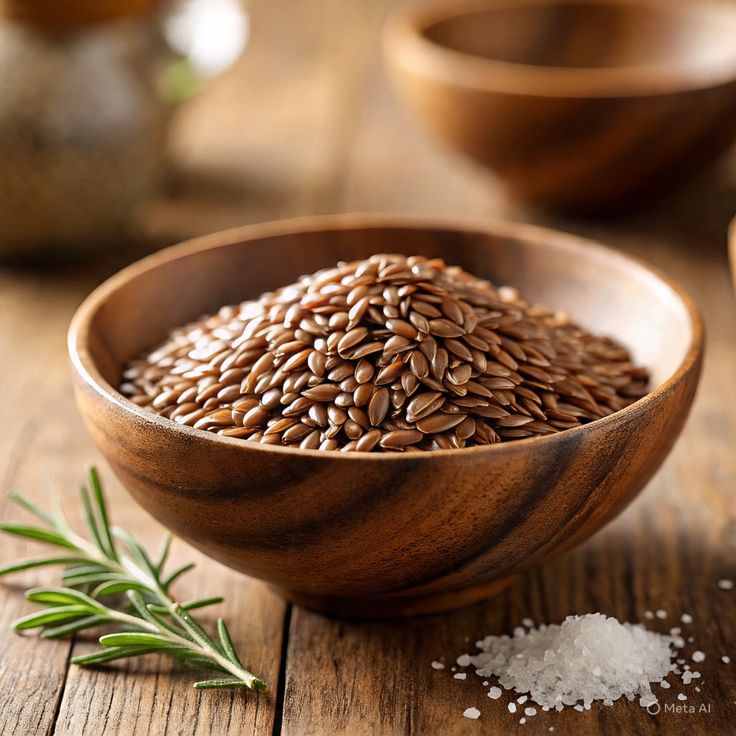
Flaxseeds for healthy and beautiful hair
Henna for the skin and hands
Henna for the skin and hands, henna is an excellent natural option for skincare and hand care, as it provides an attractive warm orange color that lasts for days when used in traditional designs for occasions, with soothing benefits for the skin.
Esthetic and practical benefits
Soothing inflammation: Henna alleviates sunburn, skin itching, and mild irritation thanks to its antibacterial and antifungal properties, making it ideal for sensitive skin.
Moisturizing and purifying: It acts as a gentle exfoliator that removes dead cells, regulates oil secretion, and improves skin texture without dryness, especially when mixed with olive oil or honey.
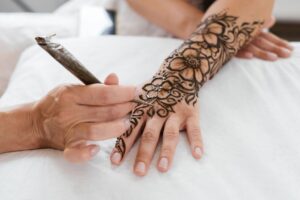
Henna designs for hands and feet: Apply the henna paste with a fine tube for artistic designs, wash off after 4-8 hours for a stronger color that lasts two weeks, perfect for weddings and holidays.
Use 100% pure henna to avoid allergies, and test it on a small area first, especially for dry or sensitive skin.
Is henna safe
Henna is safe; most types are completely non-harmful and non-toxic. It is considered beneficial when applied topically to the skin or hair. It may lead to side effects such as skin scarring, swelling, blisters, itching, and burning. These responses are usually triggered by their ingredients. Therefore, labels should be read carefully because some hair dyes may contain chemicals.
Where it can affect people with sensitive skin, causing a rash or allergy. Precautions should also be taken before consuming its seeds. According to a study, it may have side effects that could cause miscarriage, so pregnant women should refrain from using it. Also, when taken orally, it has side effects. It is better to see your doctor before using it.
How to use henna safely
Use natural henna safely by following precise steps. This way, you avoid allergies and irritation, especially for sensitive hair and skin.
Steps to prepare homemade henna paste
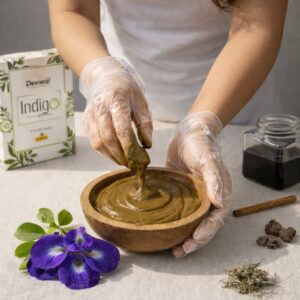
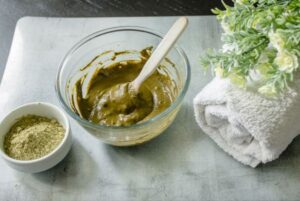
- Mix a cup of pure henna with fresh lemon juice or brewed black tea (half a cup), add a spoonful of sugar and a little hot water until it becomes a paste as thick as dough.
- Cover the container with a plastic lid and let it ferment for 6-12 hours in a warm place; it will turn a dark black color ready for use.
- Add drops of clove or cinnamon oil to enhance the color and scent, while avoiding chemical dyes (“black henna”).
Safe application on hair or hands
- Wash the hair/skin well before application, dry it, and test a small amount on the wrist for 24 hours to check for sensitivity.
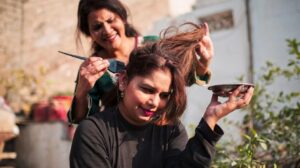
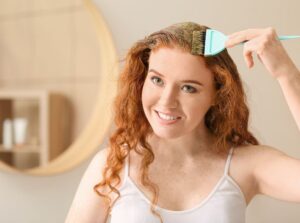
- For the hair: Divide it, apply the paste from roots to tips, cover it with a plastic cap for 4-6 hours, then rinse with lukewarm water without shampoo.
- For the engraving: Use a funnel, leave it for 4-8 hours, moisten with sugar and water while drying, remove with a cotton ball without water, and decorate with almond oil.
Avoid henna during pregnancy unless after consulting a doctor, and do not use it on open wounds or inflamed skin.
What is the recommended amount for using henna
The recommended amount for using henna depends on several variables, including the user’s age, health, and other conditions. It is not yet possible to determine an appropriate range for the quantity due to a lack of scientific data. Keep in mind that natural products are not always safe. Before use, make sure to read and follow all instructions on the product labels and consult a doctor or any other healthcare expert.
What are the advantages of using henna
The benefits of using henna, let’s examine its potential health applications.
- It may enhance nail quality.
- Its anti-aging properties
- It has the ability to prevent infections and reduce inflammation.
- It can reduce fever.
- Improves sleep disorders
- It treats headaches caused by sunstroke with its flowers.
- Gargling with its leaves can relieve a sore throat.
- They are used to treat bronchitis and cough.
- Reduces digestive problems, including acidity.
- It alleviates abdominal pain after childbirth.
- It helps relieve joint and muscle pain.
- Useful for treating menopause problems
- Vaginal secretions are being fought.
- It treats foot infections.

What are the uses of henna in culture
Uses of henna in culture, tattoos are a tradition that originated in South and Central Asian countries. The oldest recorded use of it was for mummification during the time of the Egyptian pharaohs. It is used to color men’s beards in many Islamic countries. The most widespread and enduring traditional use is when women adorn their hands and feet with intricate designs during wedding ceremonies. While the bride paints her hand with it, the other women at the ceremony sing and dance together.
How to gain weight in a healthy and balanced way
What are the benefits of henna for hair
Henna strengthens the hair and cleanses the scalp. It counters constipation and soothes inflammation in traditional medicine. Use it as a mask or tincture once a week.
- Antifungal, making it useful for treating issues related to dandruff and hair loss.
- Helps prevent premature graying.
- It gives hair strength and shine due to its content of vitamin E.
- Antioxidant.
- It also delays baldness.
- Henna is used as a natural dye.
Henna and types of hair
Henna is suitable for all hair types, but the preparation and application methods vary according to the hair type to achieve the best results without dryness or heaviness.
For oily hair
- Use a light paste with green tea or apple cider vinegar to regulate sebum production and absorb excess oils without clogging the pores.
- Add neem or Sadr powder to enhance natural cleaning, and leave it on for only 3-4 hours to avoid buildup.
Dry and damaged hair
- Mix henna with coconut oil, argan oil, or yogurt pulp for deep hydration and split end repair, restoring shine and softness.
- Increase the application time to 5-6 hours with a warm plastic cover for better absorption, and rinse with cold water to maintain moisture.
Dyed or curly
- Avoid applying henna directly to chemically dyed hair; wait 3 months, or test a small section as the color may change unexpectedly.
- For curly hair, add honey or aloe vera gel to define the waves without frizz, applying gently only to the ends if they are dry.
When should henna be avoided
When should henna be avoided? Natural henna is generally safe, but there are health conditions that require complete avoidance to prevent allergies, infections, or serious complications.
- Pregnancy and breastfeeding: Do not use henna if you are pregnant or breastfeeding until after weaning.” It may cause uterine contractions or be absorbed thru the skin, affecting the fetus or infant.
- Children and infants: Completely unsafe due to their high skin sensitivity, and may cause hemolysis or severe life-threatening allergies.
- Allergies or skin diseases: Avoid them if you have a history of allergies, eczema, sores, or open wounds; always test on the wrist 24 hours before use.
- Black or chemical henna: It contains para-phenylenediamine, which can cause permanent burns, severe allergic reactions, or even vision loss in extreme cases; use only pure henna.
- Cancer patients or those undergoing chemotherapy: prohibited for ulcers or during treatment to avoid exacerbating infections.
Consult a dermatologist if you’re unsure, and remove it immediately if there is any redness or itching.
5 copper-rich foods that boost immunity and beauty
Finally, since ancient times, a traditional medicinal herb called henna was first used as a natural dye. Hair and scalp may benefit from its antifungal and antibacterial properties, especially in preventing premature graying and dandruff growth. Henna dries out the hair, so be very careful when applying it. Buy it from a reliable supplier to avoid diseases.






1 comment