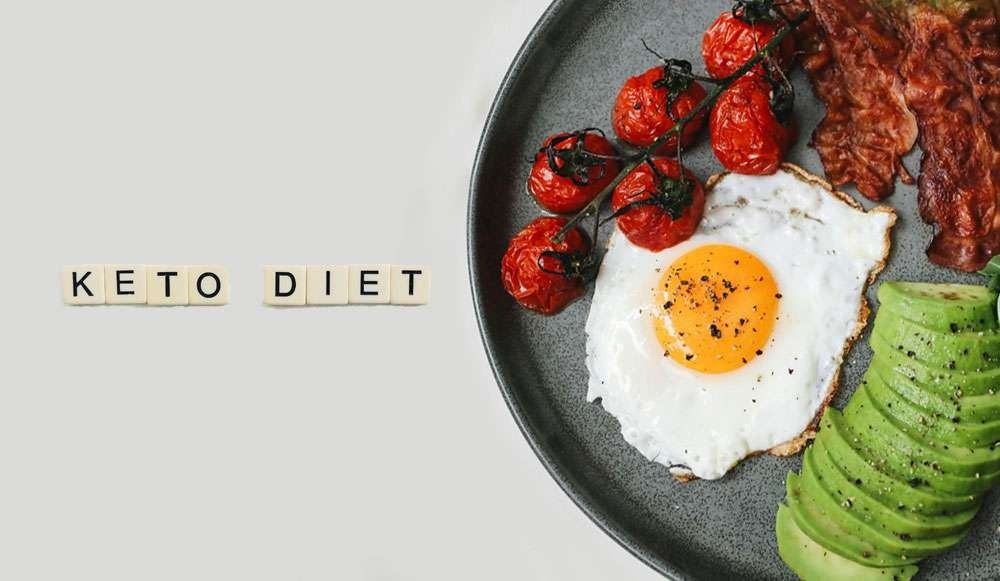
Keto: Your first steps toward burning fat, and how to start a keto diet. No doubt you’ve heard a lot about the keto diet in the past few years. It is sometimes known as a high-fat, moderate-protein, and low-carbohydrate diet, and has become very popular as a weight loss strategy in recent years.
Your body enters a metabolic state known as ketosis when it starts using fat for energy instead of glucose. The goal is to get more calories from fats than from carbohydrates. Keto is not just a passing diet, but a nutritional approach that changes the way your body uses energy, shifting its reliance from sugars to stored fats.
This system also helps many people lose weight, reduce hunger pangs, and improve energy levels and concentration throughout the day. Before starting the keto diet, it is important to understand the basic concept of the system, its benefits and risks, and whether it suits your health condition so that you can apply it safely and benefit from its results instead of falling into mistakes that make you feel tired or deprived.
What are the benefits offered by the keto diet
The benefits offered by the keto system, studies have indicated that the keto system may provide many health benefits. Where weight loss can be one of the main advantages of the system. You may also feel less hungry as a result of this procedure, which could lead you to eat smaller amounts.
Additionally, it can help you reduce visceral fat, or belly fat, without sacrificing lean muscle. Research has now proven that the diet can be beneficial for a wide range of conditions:
- Treating neurological conditions, such as epilepsy
- In addition to reducing the symptoms of Parkinson’s disease
- It may help delay tumor growth.
- It may reduce or slow down the symptoms of Alzheimer’s disease.
- It has also been proven to improve energy and focus.
- Reduces inflammation by providing the body with the energy it needs.
- Also, improving risk factors such as blood pressure, sugar, and cholesterol.
- Food may help people recover from traumatic brain injuries.
- It works to lower insulin levels, which may be important for polycystic ovary syndrome.

Walking: The simplest exercise with powerful health benefits
How to start following the keto diet
You start by following the keto diet, first, seek advice from a healthcare professional. They may help you create a strategy that suits you better, in addition to warning you of any unnecessary risks associated with making these dietary adjustments.
If you get full approval to try the keto diet, make sure to do a lot of research to determine which meals are suitable and which are not. Think about meal planning next. This provides you with the opportunity to ensure that you consume a wide variety of foods in order to obtain as many different nutrients as possible.
Planning your meals in advance also helps prevent you from consuming excessive amounts of any one food, such as red meat or other foods that may be harmful to your health when eaten in excess.

What foods are suitable for the keto diet
Foods that suit the keto diet, it is essential to talk to a doctor before trying this diet. Since each person has different needs, transitioning to a ketogenic diet may require significant adjustments. Therefore, remember that the focus is on fats with some protein and minimal carbohydrates. Most of your meals should revolve around these foods:
- It includes spices, herbs, salt, and pepper.
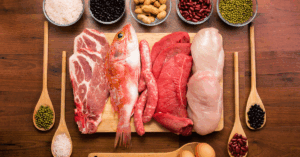
- Also, meats, such as red meat, chicken, and turkey.
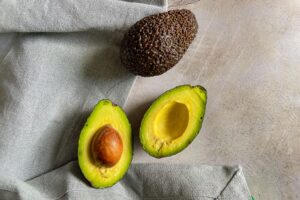
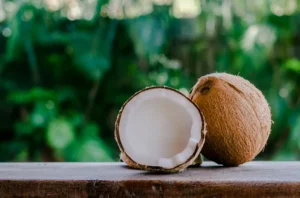
- Additional healthy oils include coconut oil and olive oil.
- In addition to fish such as scallops, tuna, and salmon.
- Nuts like chia seeds, walnuts, pecans, and flaxseeds
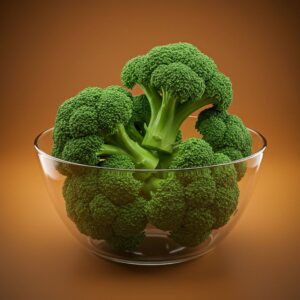
- Also, vegetables like broccoli, spinach, kale, tomatoes, and cucumbers.
- Cheeses without additives, such as goat cheese, cheddar, and parmesan
- It may also be necessary to reduce fruit consumption due to its potential sugar content.

Best foods and herbs to promote fluid drainage
Does the keto diet come with risks
The keto diet comes with risks; a strict keto diet is not a “smart” choice for everyone, despite evidence showing that it helps some individuals lose weight or manage medical issues. If the diet is followed incorrectly or without sufficient supervision, it can be dangerous.
Additionally, everyone responds to the keto diet differently. Some people may find that their bodies take longer to adapt to sudden changes in food, while others may find it easier to adjust. While there are many advantages to the keto diet, there may also be disadvantages. Here are some other signs of the diet:
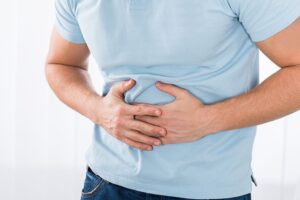
- Bad breath and dryness
- Headache, fatigue, and insomnia
- Also, stomach upset and diarrhea.
- Bone fractures, and decreased bone density
- Also, high cholesterol and kidney stones.
What foods should I avoid
The foods I should avoid, consume less of any food rich in carbohydrates. Choosing what we eat is no less important than choosing what we avoid, as the real problem often lies in some foods we consume daily without awareness. These foods may seem ordinary or even “healthy” on the surface, but they cause weight gain, blood sugar disturbances, and continuous fatigue in the body over the long term.
In the following paragraphs, the most important foods to avoid or reduce as much as possible will be explained, along with simpler alternatives that help protect your health without feeling deprived.
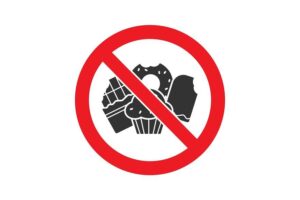
- Foods high in sugar such as sweets, ice cream, cakes, juices, and soda.
- Grains or starches such as pasta, rice, and other wheat-based products
- Also, all fruits, except for small amounts of berries, such as strawberries.
- Legumes such as beans, chickpeas, lentils, peas, and others
- Also, harmful fats such as mayonnaise, processed vegetable oils, and others.
- Some sauces or condiments like ketchup, mustard, barbecue sauce
- Sweet potatoes, carrots, and potatoes are also examples of root vegetables and tubers.
- Low-fat spices, salad dressings, and mayonnaise are examples of a low-fat diet.
- In addition to that, alcohol such as mixed drinks, wine, beer, and alcoholic beverages.
Thread lifting: The modern technique for taut skin
In the end, remember that there are not many studies on the long-term benefits of the keto diet. It is uncertain whether adhering to this diet for longer periods is better for you than following less strict but still healthy eating habits.
Ending any dietary or health journey begins with your awareness of your body and listening to its signals, then taking small but steady steps toward a better lifestyle. Your choice of topics like keto, colon cleansing, or vitamin supplementation means you are already on the first path to change.
All that remains is to give yourself time and patience to see the results on your health, appearance, and daily activity.



















1 comment