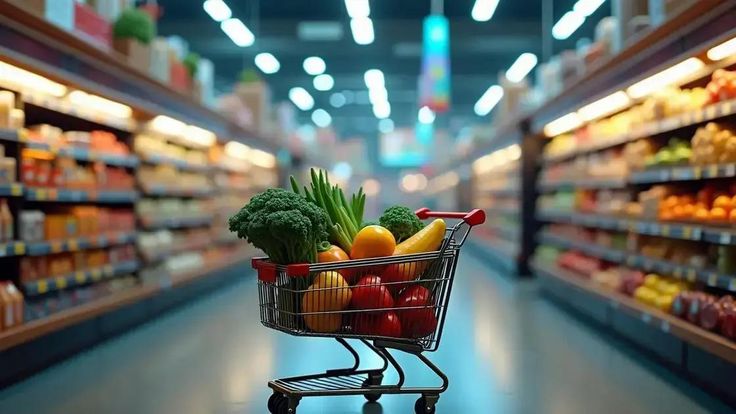
Choose Healthy Foods at the Store, Your step-by-step guide to choosing healthy foods from the grocery store, many people find grocery shopping to be “scary” and exhausting. For example, many patients struggle to determine which foods to put in their shopping cart at the grocery store and where to start. Choosing healthy food is difficult among thousands of options wrapped in misleading packaging.
What should a person do before going to the grocery store
What a person should do before going to the grocery store, most people need some kind of plan, even if some individuals can shop for groceries without a list or an idea of the meals they will prepare during the next week. Bring a weekly shopping list if you get distracted in the supermarket. Every effective shopping excursion requires the use of a healthy list. It can also help you stay focused and remember what you need. Research also indicates that using a grocery list can influence your shopping decisions to be healthier.
7 Guava Boil Recipes for Colon Health and Quick Weight Loss
The importance of pre-planning and making a shopping list
The importance of pre-planning and making a shopping list: Pre-planning before going to the grocery store is the first and most important step to ensure the selection of healthy foods without wasting time or money. Without a well-thought-out shopping list, the risk of falling into the traps of promotional offers and unhealthy canned products designed to attract immediate attention increases.
Planning also helps in adhering to your health goals, such as increasing vegetables or reducing sugars, which saves effort in the kitchen and improves the quality of your daily meals. Therefore, start by recording the basic needs for a whole week, focusing on balanced food groups such as fruits, lean proteins, and whole grains.

What does a healthy shopping list include
The healthy shopping list generally includes whole foods rich in nutrients, which should make up the majority of a balanced healthy diet. Where I refer to foods such as fruits, vegetables, nuts, seeds, legumes, and protein sources like fish and eggs. So, you should prioritize these foods on your list. It might be helpful to organize your shopping list by category, such as fruits and vegetables, legumes and grains, nuts and seeds, proteins, frozen meals, dairy and non-dairy alternatives, beverages, spices, and other assorted products. However, the illustration of the nutritious grocery list would be as follows:
- Frozen foods: frozen cabbage and frozen berries.
- Fruits: avocado, clementine, berries, apple, grapefruit.
- Protein sources include eggs, skin-on chicken breast, and canned salmon.
- Non-starchy vegetables, such as broccoli, onions, spinach, peppers, and zucchini.
- Nuts and seeds: raw peanut butter, roasted almonds, and pumpkin seeds.
- Sweet potatoes, small red potatoes, and squash are also examples of starchy vegetables.
- Also, groups of grains and beans: quinoa, brown rice, black beans, and chickpeas.
- Among the additions are sun-dried tomatoes, sauce, pesto, olive oil, and salad dressing.

Is creating a weekly meal prep plan useful for you
Creating a weekly meal prep plan is beneficial for you, and instead, you can bring a weekly list instead of the typical shopping list to the supermarket. You can find what you need to prepare the meals you want to cook a week before the scheduled date on this list. If you enjoy meal planning, for example, try printing the recipes you want to prepare. After that, all you have to do is make purchases based on the ingredient lists.
Remember that it may not be possible to prepare all your main meals and snacks at home if you are used to eating food components or most meals outside. For this reason, if you haven’t prepared a meal before, start with a small meal and aim to prepare two meals in the first week. You can also expand your weekly cooking list by adding extra meals once it becomes second nature. Just like any healthy habit, it may take some time for you to get used to the routine of grocery shopping and cooking healthy meals at home.

How to gain weight in a healthy and balanced way
How to assemble kitchen supplies like a pro
Gathering kitchen supplies like a pro, it’s important to keep frozen and non-perishable items in your kitchen if you don’t enjoy making regular trips to the grocery store. Even if you are limited in fresh food, you can still prepare healthy meals and snacks using this. It is essential to prepare a list of everything you need before heading to the store by checking the cupboards, pantry, refrigerator, and freezer.
By doing so, you can ensure that you have the necessary ingredients to cook nutritious meals and reduce food waste. Fresh products, dairy products, fruits, and other perishable items should also be purchased frequently. On the contrary, food items that can be frozen and non-perishable goods can be purchased less frequently.
What matters should be taken into account
Things to consider, although this list is not exhaustive or definitive, it can serve as a rough roadmap for shopping trips. Of course, a healthy and balanced diet can still include your favorite foods. Don’t completely stop eating biscuits, ice cream, and potato chips. These foods are unhealthy.
Instead, a comprehensive diet should focus on nutrient-rich foods that satisfy your hunger and provide your body with the nutrition it needs to thrive, while allowing room for your favorite foods. Your occasional craving for unhealthy food is completely normal.

Treating tonsillitis with herbs and home remedies
In the end, grocery shopping doesn’t have to be a stressful task. Additionally, Organize your kitchen and make a shopping and meal list. Fill the basket with vegetables and fruits. Choose whole grains. Reduce sugar and fats. This improves your meals and your body’s health. It also becomes a habit for the whole family.























Post Comment