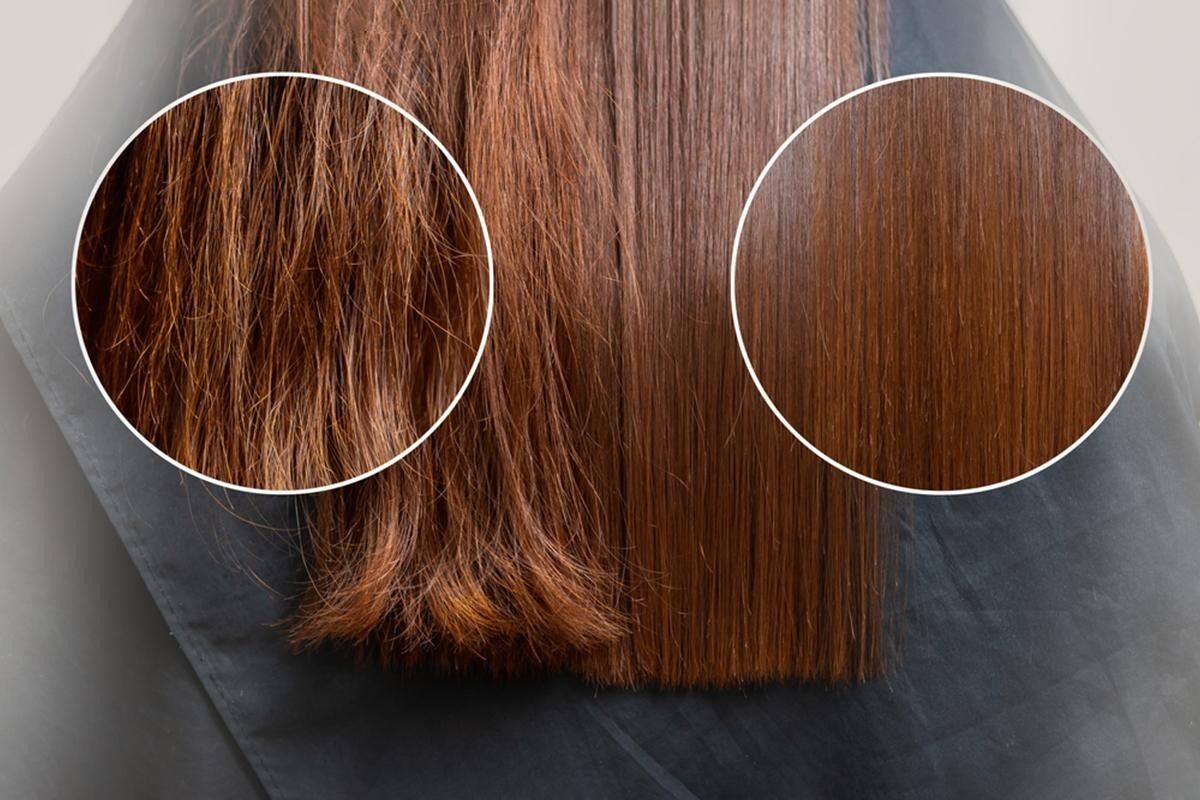
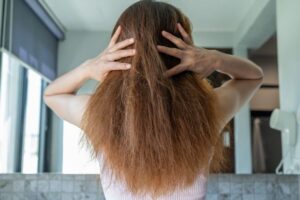
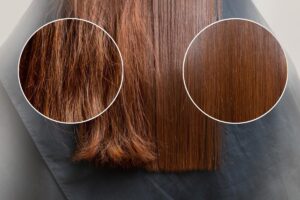
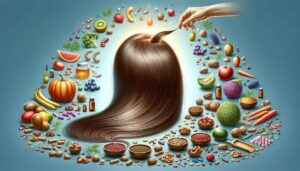
Benefits and drawbacks of keratin for hair, The advantages and disadvantages of keratin hair treatments: When will they improve your hair and when will they harm it? For months, keratin—especially for curly or damaged hair—coats hair strands with a layer of protein that reduces frizz and increases shine. After the treatment, you’ll feel silky smooth, but some products contain chemicals like formaldehyde that, if used repeatedly, might irritate or cause hair loss.
This article discusses the advantages of keratin for heat protection and deep conditioning, as well as its disadvantages, including dryness and possible cancer concerns, and offers advice on selecting a safe variety. To preserve your hair’s luster without these dangers, start with a patch test before to your treatment and adhere to a regular hair care regimen using natural oils.
Does my hair need keratin
Your body naturally produces keratin, which is what my hair needs. Many people think that taking keratin supplements will strengthen their hair because keratin is the primary component of hair. However, the idea that consuming keratin supplements strengthens hair has not been supported by any studies. Therefore, discuss the benefits and drawbacks of utilizing keratin supplements with your physician. Furthermore, a lot of people think that shampoos and conditioners that contain keratin oil are better for their hair. Keratin-containing shampoos and conditioners may also strengthen, lighten, and smooth hair, according to research.
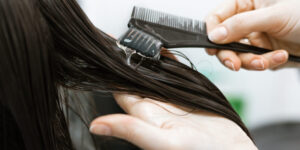
Your hairdresser will do the following during a keratin treatment:
- After washing your hair with a specialty shampoo, towel dry it.
- On certain parts of your hair, apply a thin layer of liquid keratin therapy.
- After your hair has dried, iron it with a high-temperature flat iron.
- For a few days following the procedure, you should refrain from getting your hair wet.
- To keep your hair back, you can wear caps, hair clips, or elastic hair ties.
- You might need to use particular kinds of shampoos and hair products to keep the treatment going. The other.
- Your hair will get full and glossy in as little as six months.
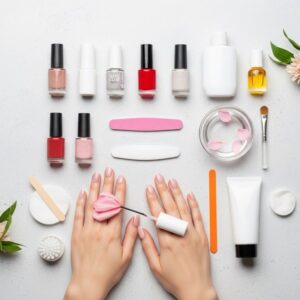
At-Home Nail Care Routine: 4 Steps for Celebrity-Like Hands
Is it a better option than alternative hair treatments
The long-lasting effects of keratin hair treatments are a major advantage, and it’s a better choice than other hair treatments. They can significantly cut down on how much time you spend styling your hair every day, particularly if it’s curly or thick.
Up to twelve weeks may pass before the effects wear off. Moreover, heat styling tools are no longer necessary for some people. This is because the hair dries naturally right away after the treatment and appears silky and shining.
Benefits of cod liver oil and its daily dosage
What are the potential benefits of keratin treatment
The following are possible advantages of a keratin treatment: The body naturally produces keratin, the protein that makes up hair and nails. The outcomes are mostly dependent on the type of keratin treatment you use, the inherent thickness of your hair, and the general condition of your hair. In order to create the hair shaft, keratin smoothes overlapping cells.
Furthermore, perfectly straight hair is not usually the result of keratin treatments. Certain products produce softer, more uniform curls or waves by reducing frizz. Although keratin is present in various shampoos and conditioners, a professional salon treatment usually produces the best results. Whether a keratin treatment is performed at home or by a professional, the following are some advantages:
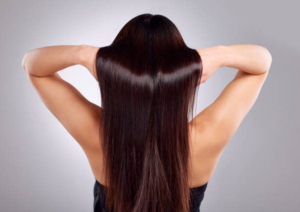
- Silky, glossy hair
- Cuts the drying time in half.
- Less frizz and simpler hair care
- Long-lasting outcomes and easier-to-manage hair
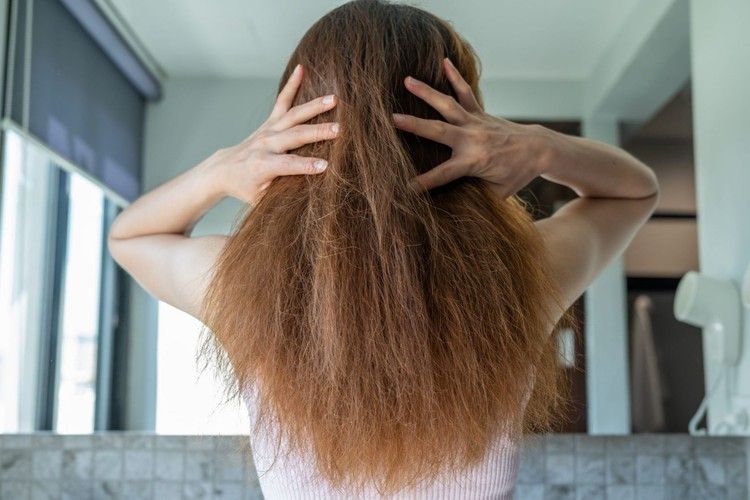
- Hair dries with less frizz and is healthy and lustrous.
- May make split ends less noticeable.
- If you take care of it, it can last up to six months.
- Managing hair gets simpler, particularly if it’s curly or thick.
- Depending on the substances employed, curly or wavy hair can be straightened.
- Because it is less likely to break, hair may seem to grow more quickly.
- Additionally, it makes curly hair appear straighter, less frizzed, and simpler to style.
Foods that boost growth 3 times
How is keratin applied to hair
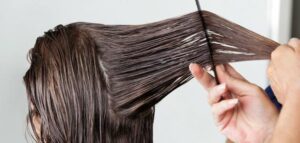
The stylist usually starts by washing your hair twice with a clarifying shampoo before applying keratin, however the process may differ from salon to salon. After applying a keratin treatment or solution, your damp hair is carefully combed. The solution will stay on your hair for two to four hours, depending on its thickness and texture.
The stylist will use a flat iron to set the treatment once your hair has dried. This coats and smoothes your hair. The treatment is subsequently cured or sealed by the heat, which aids in restoring the outer layer’s glossy, smooth texture.
Hair gel: Temporary look or permanent damage
How long does keratin treatment take
You might be surprised by how smooth and lustrous your hair gets both before and after a keratin treatment. The keratin treatment should last about six months if you don’t wash your hair frequently. You should postpone shampooing your hair for a few days following a keratin treatment. Following that, you should make an effort to shampoo less frequently. Use hair products that don’t include harsh chemicals that can harm your hair, including sodium chloride.
The magic of moringa for the skin
What are the potential risks and negative consequences
Potential dangers and adverse effects: The main sources of keratin used in cosmetic operations are skin, hair, and nails. Despite the fact that keratin is a naturally occurring protein, these products also include formaldehyde and other pollutants. Many keratin treatments contain formaldehyde, which can be dangerous to breathe in.
The substance that makes hair appear straighter is formaldehyde. The American Cancer Society states that it is a known carcinogen. This implies that it could either cause or encourage the spread of cancer. It might also have further negative health impacts. The FDA has also connected formaldehyde and related compounds used in keratin treatments to the following:
- Inflammation of the eyes
- A headache
- Lightheadedness and dizziness
- Skin rash and vomiting
- Bleeding in the nose
- Nausea, sore throat, and cough

Keto: Your first steps toward burning fat
What are the alternatives to keratin for hair
Hair straighteners’ sodium hydroxide and ammonium thioglycolate are substitutes for keratin. These break dissolve hair connections and are more environmentally friendly than straightening hair. Untreated hair that grows back curly at the roots might result in a painful regrowth stage, even though this produces long-lasting results.
Although other keratin treatments employ glycosylated acid instead of formaldehyde, the outcomes are not as favorable. It is not recommended for pregnant women to use it. Additionally, people with formaldehyde allergies or respiratory issues should avoid keratin treatments.
What are the alternatives to keratin
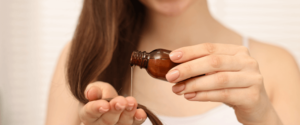
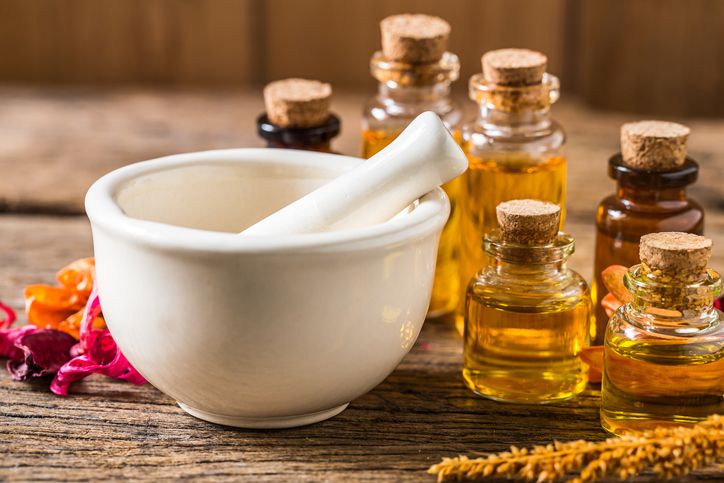
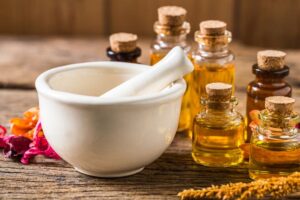
Alternatives to keratin: You can still get comparable results to a keratin treatment if you’re worried about possible formaldehyde exposure. You can use a hairdryer or a flat iron to temporarily smooth your hair. Another technique to keep your skin strong and healthy is to keep it hydrated, particularly if you use heat styling products. Try to wash your hair as little as possible because shampoo might deplete it of its natural oils. Furthermore, you can utilize items like:
- Olive oil
- Argan oil
- Coconut oil
- Shea butter
- Sunflower oil
Best foods and herbs to promote fluid drainage
How to care for hair after a keratin treatment
Following a keratin treatment, hair maintenance is crucial. After the procedure, wait at least two days before washing your hair. Additionally, avoid exposing your hair to salt water or chlorine, tugging it up tightly, and using harsh shampoos and conditioners. It’s also essential to use sulfate-free shampoos and conditioners to assist extend the therapy.
Avoid washing frequently since it can remove the therapy. Try washing your hair every three to four days rather than with hot water. Additionally, using a leave-in conditioner can preserve and keep your hair hydrated. To avoid damage, use a lower heat setting when blow-drying and apply a heat protectant before using any hot styling equipment.
It’s also advisable to postpone dyeing your hair for at least two weeks following a keratin treatment. This permits the therapy to settle and helps shield the hair from harm. The duration of keratin hair treatments is up to twelve weeks. However, the results will eventually wear off and the treatment will need to be repeated in order to keep straight and silky hair.
Best foods and herbs to promote fluid drainage
In the end, keratin will help your hair feel silky and glossy for months while preventing its negative effects like formaldehyde and dryness. It will also reduce frizz and provide deep hydration. To prevent breakage and split ends, choose chemical-free products and use natural oils, like as coconut oil, on a daily basis. Your experience will become one of natural brightness thanks to these suggestions.








Post Comment