
Ways to get rid of scalp inflammation, Common Types of Scalp Infections and Their Treatments. What kinds of scalp infections exist, and how are they managed? Our scalp is very vulnerable to a number of illnesses. Long-term effects on hair development can result from a scalp infection, even if it doesn’t seem serious at first.
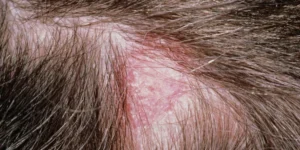
For instance, a fungal infection of the scalp can harm hair follicles and ultimately result in hair loss. Infection symptoms might vary, but the most common ones include redness, itching, and occasionally pus. By understanding the differences, everybody can receive the proper care. Certain medicinal shampoos, lotions, or ointments are typically used to treat scalp infections.
How do scalp infections occur
Infections of the scalp are frequent. As you are aware, due to the large number of hair follicles, the skin on our heads is quite sensitive and prone to infection. An infectious agent, such as a virus, fungus, or bacteria, can spread and cause scalp infections. They don’t impact us right away because they are superficial, but they might harm our hair follicles over time. Therefore, having an oily scalp makes you more vulnerable to frequent scalp infections.
This is due to the possibility that the oil will clog your scalp’s pores, making an environment conducive to infection. Furthermore, it’s not uncommon for someone to share combs, helmets, and other personal goods with another individual and subsequently hurt their scalp. Unwashed hair and stress are further contributing reasons.
The best skincare routine for combination skin
What are the types of scalp infections
Men and women of all ages are susceptible to scalp infections. Although bacterial and viral infections can also affect adults, fungal growth is the most common cause of scalp infections in children. The symptoms of scalp infections might differ depending on the type of infection. Treatment for scalp infections also differs according on the type and origin of the illness. The following conditions may be caused by specific illnesses and other factors:
- Eczema
- Scleroderma
- Head lice
- Ringworm of the scalp
- Herpes and impetigo
- Lichen planus
- Folliculitis
- Scalp dermatitis
- Folliculitis infection
- Fungal infections
- Seborrheic dermatitis
- Scalp psoriasis
Signs of nutritional deficiencies in hair and nails and their treatment
What are the quick facts about hair loss and scalp infections
Quick facts about scalp infections and hair loss: The symptoms of different forms of scalp infections may differ as well. These symptoms should ideally be regarded as signs of a scalp infection. There are various kinds of scalp infections, as was previously explained. Some might be more serious than others. These infections of the scalp can cause hair loss.
- Folliculitis is a bacterial infection that can permanently harm hair follicles and stop them from growing new hair once they heal.
- Because ringworm weakens hair strands, they are more likely to break, which can result in bald patches or tinea capitis.
- Hard nodules from pydra weaken your hair and make it fall out.
- Impulsification is a very contagious condition that affects not just your head hair but also other regions of your body.
- The skin may become quite scaly due to scalp psoriasis. Permanent damage to hair may result from the development of scar tissue.
- Red, scaly, itchy patches appear all over your skin, including your scalp, when you have a yeast infection. You may scratch and harm your hair as a result of this irritation.
- Red and purple pimples on the skin, discoloration, inflammation, and thinning hair are all symptoms of lichen planus.
- Scleroderma causes severe itching by tightening and drying the skin. Significant hair loss may result from this.
Foods that boost growth 3 times
What are the signs and symptoms of scalp infections
Signs and symptoms of scalp infections: Given the variety of scalp disorders, it seems sense that there would be a range of symptoms when diagnosing a scalp infection. Symptoms of scalp infections can typically include the following, depending on the underlying cause:
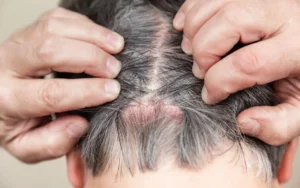
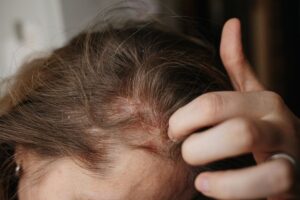
- inflammation of the skin
- Bald spots
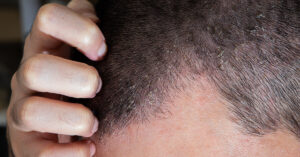
- Scalp discomfort and dryness
- Hair that is thinning, fragile, and weak
- Flakes on the scalp
- Scalp blisters and itchiness
- Unexpected loss of hair
- Scalp acne
- Slight soreness in the scalp
- Inflammatory reactions, including bruising and swelling
- Also, changes in skin texture, such as dryness or cracking
These are only a few signs of a scalp infection, though. Furthermore, it’s not necessary for all of these indicators of a scalp infection to appear simultaneously. These signs of a scalp infection are not always present when bacterial or fungal development occurs.
Hair gel: Temporary look or permanent damage
How do doctors diagnose scalp infections
Scalp infections are diagnosed by doctors, and the best course of therapy depends on the diagnosis. The best strategy is to search for different signs of a scalp infection. Therefore, have someone thoroughly inspect your scalp if you exhibit any of the common symptoms of a scalp infection.
Seeing a skilled dermatologist is the simplest way to accomplish this. They will thoroughly inspect your scalp and test it under UV light to check for any superficial infections. Occasionally, a tiny sample of the scalp is collected and sent to a lab to identify the type of infection.

Benefits and drawbacks of keratin for hair
What are the treatment methods for scalp infections
Treatment strategies for scalp infections: After assessing the patient’s scalp and identifying the type of infection, a professional will recommend a course of action. Among these techniques are:
- Topical drugs
- Oral sedatives
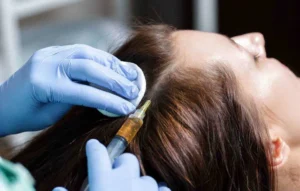
- Platelet-Rich Plasma (PRP) for hair transplantation
Keto: Your first steps toward burning fat
What are the ways to care for scalp infections
The underlying cause and the diagnosis made by the treating physician determine the course of treatment for scalp infections. Among the potential actions are:
- Use a medicated shampoo if you have dandruff.
- Use hypochlorite or peroxide to help stop the growth of bacteria or other microorganisms that might cause skin infections.
- Additionally, apply topical antibiotics such fusidic acid, clindamycin, or mupirocin to help stop the growth of bacteria.
- If the infection gets worse or if there are other symptoms, like fever, use oral antibiotics. Cefadroxil and dicloxacillin are two examples.
- To lessen itching, apply topical steroid lotions and creams as well as oral antihistamines.

5 natural detox juices for body hydration and skin radiance in summer
How to avoid and prevent scalp infections
You can cure and prevent scalp infections by adhering to professional recommendations. You can learn how to treat scalp infections by using the following advice. Scalp infections and other associated issues can be avoided with the use of the following suggestions and counsel:
- Keep your hair neat and free of debris.
- Avoid pulling on your hair when massaging your scalp.
- Avoid tight hats and other head coverings.
- Using a mild anti-dandruff shampoo is one of the most effective methods.
- Eat a balanced diet and consider taking supplements.
- Shaving or cutting damaged hair is the most popular and effective treatment.
- Antibiotic creams can help prevent you from spreading the infection.
- They also advise avoiding contact with the affected area to prevent the disease from spreading.
- Avoid common triggers, including stress, smoking, and skin trauma.
- Keep your hair and scalp dry, clean, and well-ventilated.
- To increase skin elasticity and reduce tightness, use light lotions and moisturizers.
- Avoid using heat on your scalp, such as styling tools.
- Wash your scalp frequently to prevent the buildup of dirt, sweat, oils, and dust.
- Clean your helmets, clips, combs, and other similar accessories regularly.
- Also, avoid sharing personal items, such as clothes, towels, and bedding.
- You should also handle your scalp more gently and avoid… Regarding strong chemical treatments and products that may worsen symptoms.

How to select natural oils based on the type of porosity in your hair
In the end, scalp infections are readily treated, despite the fact that they might be irritating. Seeing a dermatologist as soon as symptoms arise can help with early diagnosis and treatment. The kind of illness you have, how severe it is, and how long your symptoms last will ultimately determine your prognosis. You should be able to make a substantial recovery if you act quickly.




















1 comment