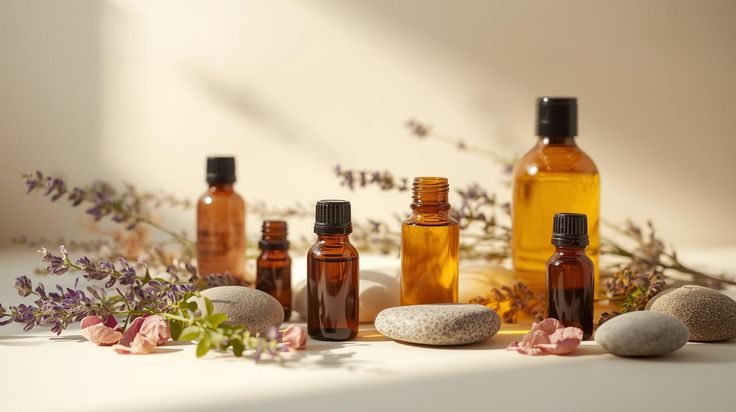
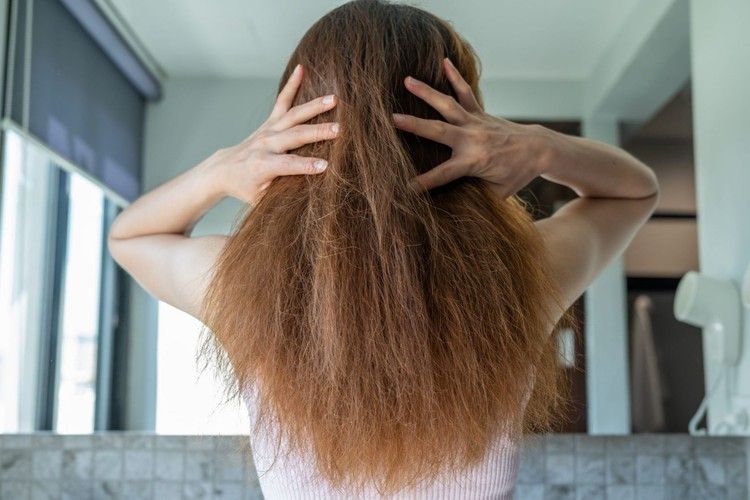
How to select natural oils based on the type of porosity in your hair. Have you ever used a suggested natural oil and discovered that it didn’t give your hair the shine you wanted, instead making it dull or heavy? The trick is often not the oil’s quality per se, but rather how well it works with the porosity of your hair.
The secret component that controls how well your hair absorbs and holds onto moisture is called hair porosity. Thus, the first and most important step to creating a successful hair care regimen and avoiding wasting time and money on products that might not be appropriate for the biological makeup of your hair is knowing your porosity type.
In this post, we’ll take you on a straightforward educational journey to identify your hair porosity type using simple at-home tests, and we’ll share a list of the best oils for reviving your hair that are founded on science rather than haphazard testing.
How to identify the kind of porosity in your hair in about two minutes
A quick at-home test: All you need is a glass of water and a tiny strand of hair to find out your hair type without having to visit pricey salons. This test, commonly referred to as the “Float Test,” is the most precise method for figuring out if the hair cuticles are open or closed.
Detailed Instructions for the Water Test:
- Prepare a clean strand: Even if your hair has a high porosity, oils will make it float, so it should be totally cleaned, dried, and free of any creams, oils, or product residue.
- The Water: Pour room-temperature, lukewarm water into a transparent glass.
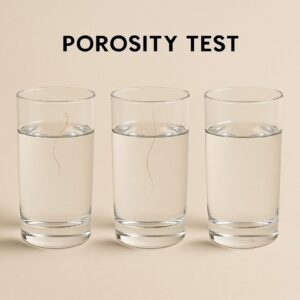
- The test involves gently placing a single hair strand on the water’s surface and letting it sit there for two to four minutes without moving the glass.
Why you should add onions to your daily diet
What does your hair tell you
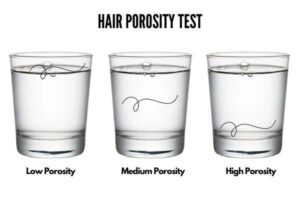
Examine the outcomes. To identify your hair porosity type, look at the hair’s placement in the cup after the allotted time has passed:
- The hair floats on the surface (low porosity): Your hair’s cuticles are firmly packed and sealed, making it difficult for water to pass through.
- The cuticles are flexible enough to absorb and hold the proper quantity of moisture for an extended period of time when the hair is in the middle of the cup (medium porosity), which is the ideal condition.
- Because of the vast openings in its cuticles, the hair absorbs water quickly and becomes heavy, which causes it to sink to the bottom (high porosity). The rate at which this kind of hair absorbs moisture is equal to its rate of loss.
Coconuts: The Fruit Top Doctors Recommend Daily (Here’s Why)
What does your hair tell you
You can now select the appropriate fuel for your hair after determining your hair’s porosity type with the previous test. Either excessive oiliness or dryness can result from using the incorrect oil.
Hair with Low Porosity
Experience: It is extremely difficult for moisture and oils to enter the hair shaft of this kind because the cuticles are densely packed and closed.
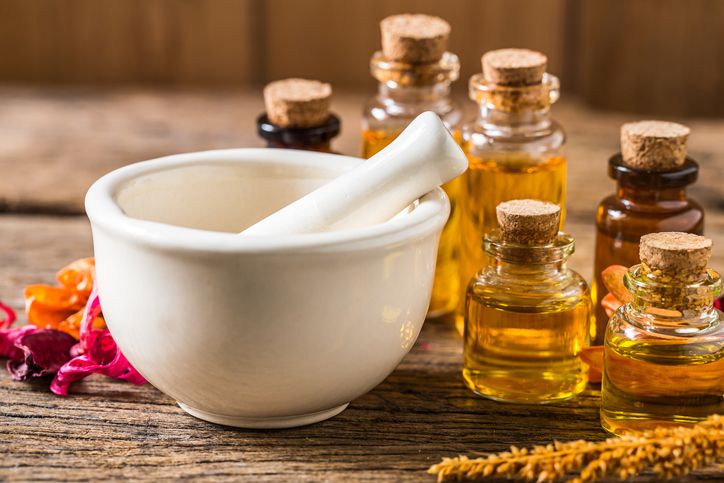
Appropriate Oils: Pick oils with tiny, light molecules that won’t accumulate on the hair’s surface and smother it. The best choices are:
- Argan oil: Offers remarkable luster without producing a thick, oily residue.
- Jojoba oil: Easily absorbed because it is closest to the natural oils on the scalp.
- Sweet almond oil: Provides deep nourishment and keeps hair elastic.
Advice: Before applying the oil, it is preferable to slightly warm it (in a warm water bath). The heat facilitates the oil’s more efficient penetration by gradually opening the tight cuticles.

The best honey mixtures for hair and skin care
Hair with a Medium Porosity
Experience: This hair type is the “ideal state” since its cuticles are consistent in absorbing moisture and neither totally closed nor overly open.
Appropriate Oils: Medium-textured oils are ideal for this type of hair because it requires a balance to stay healthy:
- Olive oil: Offers superior nutrition and defense against harm.
- Avocado oil: Packed with vitamins that strengthen hair.
- Castor oil: To encourage thickness and development, apply it sparingly.

Avocado Boom: 8 Science Reasons Dietitians Love It
Hair with High Porosity
The Problem: Because of the huge cuticle gaps and holes, this type of hair absorbs water and oils quickly but loses them equally quickly, making it prone to excessive dryness and tangling.
Appropriate Oils: To fill the voids and retain moisture for as long as possible, this type requires thick oils that serve as a barrier. Among the most crucial oils are:
- Coconut oil: Reduces protein loss in damaged hair by penetrating deeply.
- Shea butter: Serves as a natural moisture sealer and a rich moisturizer.
- Virgin olive oil: Great for deep conditioning treatments to fix damaged hair.

Henna: From decoration to care
Golden Advice for Coating Your Hair with Oils
Applying natural oils correctly is essential to maximizing their benefits and preventing negative side effects. How you use the oil is more important than its quantity.
First: Appropriate Use and Timing
It’s critical to differentiate between two approaches to oil use:
- Oil Bath (Deep Treatment): Depending on the porosity of your hair, apply the oil to your scalp and hair before washing and let it there for 30 to 60 minutes. This phase is crucial because it provides the hair strands with deep nourishment and internal restoration.
- Styling Oil (Daily Treatment): After washing, apply a tiny bit (a few drops) to the ends of your dry or damp hair. The goal of this procedure is to seal in moisture, protecting your hair from the weather and giving it a shiny exterior.

5 natural detox juices for body hydration and skin radiance in summer
The Correct Amount (A Little Is Too Much) comes in second.
Hair has a limited ability to absorb oil, so try not to use too much. Large applications may result in:
- Hair loss or greasy dandruff may result from blocked scalp pores.
- Hair that has been weighed appears lifeless and lackluster.
- The golden rule: Depending on your demands and the length of your hair, start with a very tiny amount and increase it gradually.

Apple cider vinegar: the secret to healthy digestion weight and skin
Third: Appropriate Cleaning Technique
It takes talent to remove oils from hair, especially heavy ones, so that no residue clogs pores:
- Use lukewarm water to dissolve the oils and facilitate their removal.
- Select the appropriate shampoo: Apply the shampoo to the scalp first, rubbing it gently, and then let the foam trickle down to the ends.
- Repeat if needed: To guarantee total cleanliness, you might need to wash your hair twice if you used a heavy oil (such castor or coconut oil). Afterward, be sure to apply conditioner solely to the ends.
At-Home Nail Care Routine: 4 Steps for Celebrity-Like Hands
In the end, outstanding outcomes depend on constancy. Never forget that taking care of your hair is a patient journey that calls for tolerance and persistence rather than a race.
Understanding the porosity of your hair is similar to discovering the key to your actual attractiveness. In addition to making your hair look gorgeous, using the proper oil takes care of its underlying issues.
We urge you to begin using the best oil for your porosity type on a regular basis for the entire month starting now. See how your hair’s strength and natural shine have improved noticeably, and have faith that your hair will reward you with outcomes that surpass your expectations.
Tell us in the comments: After the test, what kind of porosity does your hair have? Which oil are you going to try today? See our section on hair care for additional beauty advice.


















Post Comment