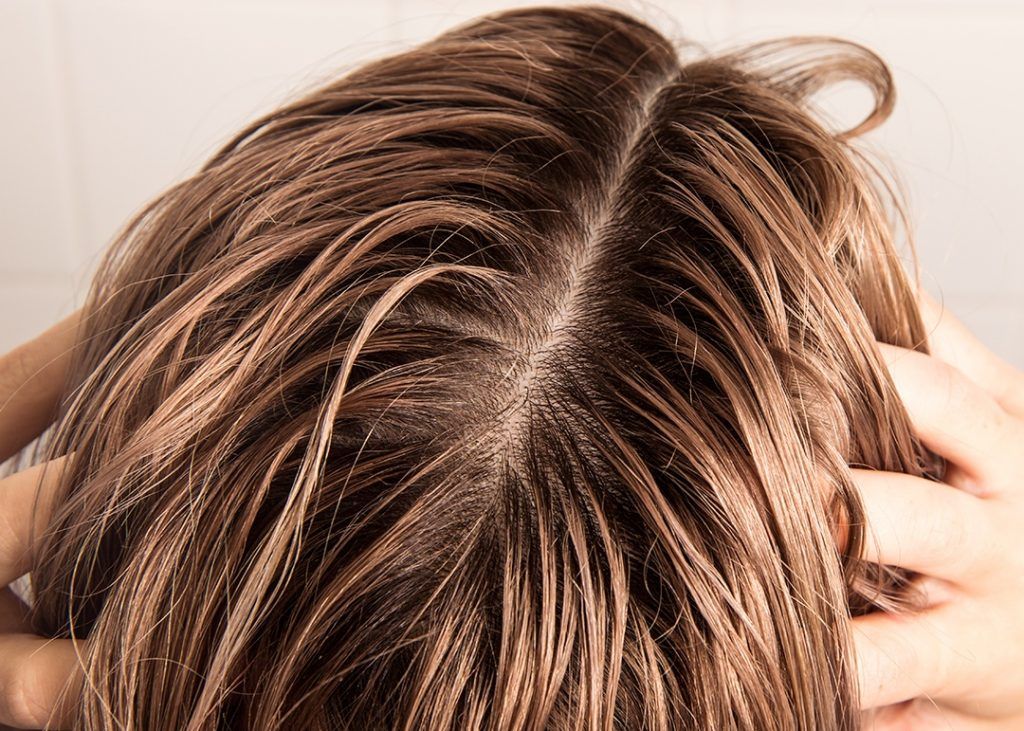
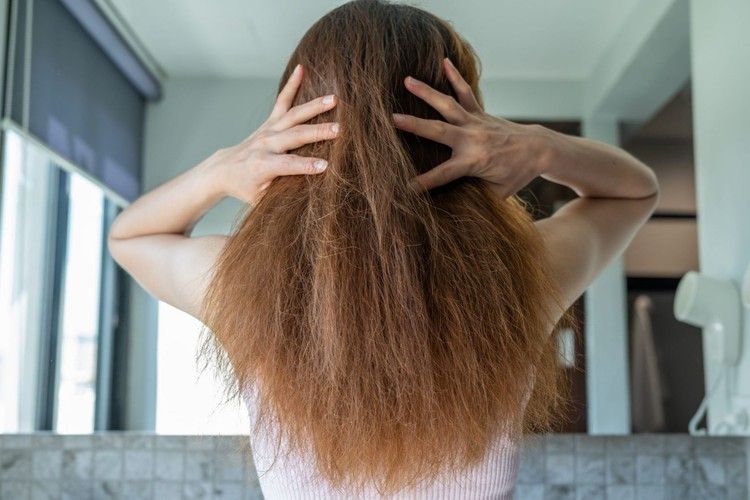
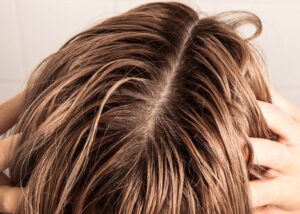
Say goodbye to oily hair: Mistakes to avoid and natural solutions, The Secret to Excessive Oil in Hair: Incorrect Washing and Effective Natural Remedies. Why is hair so oily? In general, having oily hair is neither dangerous nor unhealthy. If your scalp is oily, you may have dry, brittle hair or healthy hair.
Oil is necessary for healthy hair, but too much of it can accumulate on your scalp and hair. Managing oily hair can be challenging. Your hair may become flat and limp after a few hours of washing, drying, and style. Additionally, your scalp may start to itch and seem oily. Therefore, if you have both oily hair and scalp, there are certain things you can try to do to lessen the amount of oil your scalp produces.
What makes hair oily after washing
What causes hair to become greasy after washing? Sometimes people discover that their hair appears greasy even after washing. This can be explained in a number of ways. It might be the result of ongoing oil overproduction, which occasionally points to an underlying medical issue.
A person’s hair type can also affect how greasy their hair looks. Straight or fine hair is more likely to look greasy than thick or wavy hair. This is due to the fact that scalp oils can more easily cover the whole length of a strand of straight or fine hair.
- The health of the scalp and hair can be impacted by environmental variables.
- Itching and dandruff are two more scalp conditions that may be involved.
- An improper diet may also be a factor.
- If flaky patches are also present, seborrheic dermatitis may be the cause.
- Individuals who don’t properly clean their hair or who use greasy or waxy hair products may also be involved.
- The hair can also be impacted by frequently used items like towels and hairbrushes.
- Your hair may also look oily or shiny. Additionally, it could seem heavy or sticky to the touch. Itching and discomfort can also result from overactive sebaceous glands on the scalp.
Lemon is a drop of sunshine for health and beauty
Daily washing mistakes disrupt your hair’s balance
The balance of your hair is upset by daily washing errors. These errors upset the natural equilibrium of your hair and cause the sebaceous glands to overproduce oil as a protective measure. The natural oils that shield the scalp are removed by frequent washing, leaving hair greasier and more vulnerable to breakage and hair loss.
Protective oils are eliminated when you wash your hair every day
Every day, harsh shampoos remove natural oils from the hair, which makes the sebaceous glands generate more to make up for it, making the hair quickly oilier. Particularly vulnerable to this is dry hair, which can turn brittle and dry in a matter of weeks.
Your scalp gets irritated by harsh washes
The harsh sulfates found in most shampoos dry out the scalp, creating dandruff and irritation, which in turn causes the sebaceous glands to generate more oil. To prevent everyday irritation, use a gentle, sulfate-free shampoo.
Your hair is rapidly dried by hot water
Hot water stimulates the production of more oil to keep the scalp moistened by opening its pores and removing natural moisture. To keep the equilibrium, always use cool or lukewarm water.
The magic of moringa for the skin
When to visit a dermatologist
If the oiliness doesn’t go away with home methods, you can see a dermatologist for additional treatment. A person may also think about consulting a nutritionist if they think their diet is causing them to produce too much oil. Additionally, the dietitian can recommend drugs or hair care products.
5 natural detox juices for body hydration and skin radiance in summer
Your diet feeds the fats in your hair
The oil in your hair is nourished by your food. Because foods heavy in sugar and saturated fat affect hormones and sebaceous glands, your diet contributes to the excess oil in your hair. Healthy fats offer a balance that lowers oil secretion, whereas too much sugar boosts androgen synthesis, which accelerates it.
Sugars cause your scalp’s oil hormones to rise
Daily consumption of soda and sweets raises insulin levels, which causes the glands to generate more oil, quickly causing your hair to become greasy. To see results in a week, cut your daily sugar consumption to less than 25 grams.
Natural oil production is boosted by saturated fats
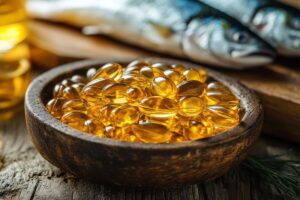
Frequent consumption of fast food and fried foods causes the sebaceous glands to become more active and clog pores. To balance oil production, swap them out for healthier fats like those found in avocados and oily seafood.
Deficits in zinc and vitamins encourage the formation of oil
Your glands become overactive and create too much oil if your diet is deficient in zinc and vitamin A. To increase these nutrients and decrease the creation of oil, include eggs and nuts in your daily diet.
A lack of protein throws off the equilibrium of your scalp
Your glands produce more oil to compensate for the weakening of your hair follicles caused by a low daily protein intake. To strengthen your hair and cut down on excessive oil production, incorporate lentils or chicken throughout every meal.
A weekly diet plan to balance your hair
Drink green tea every day, start with meals high in leafy greens and almonds, and after ten days, notice how much your hair shines.

The best skincare routine for combination skin
What are the methods for treating oily hair
Oily hair can be treated in a variety of ways, and if you have oily hair, there are various things you can do to help remove extra oil. The treatment plan may be impacted by the underlying reason. In order to effectively manage oily hair, it is crucial to take care of your scalp and use the right products.
- Regularly and thoroughly wash your hair.
- Use an appropriate shampoo and conditioner as well.
- Make use of products designed especially for greasy hair.
- Clean your brush.
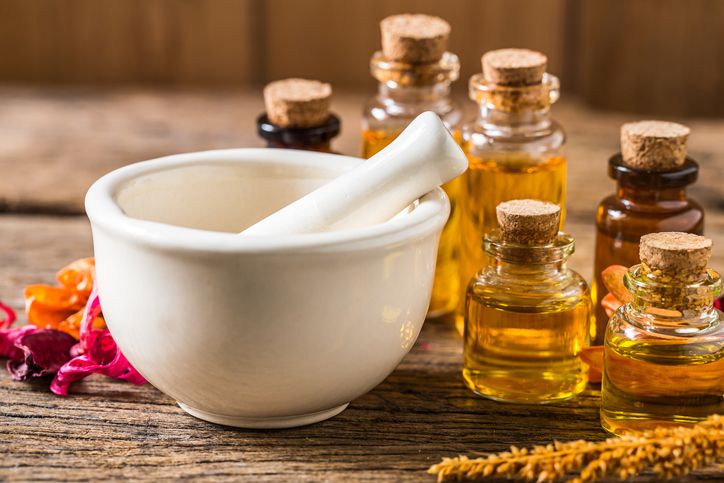
- Use aloe vera for a thorough cleaning.
- Use coconut oil for deep conditioning as well.
- Additionally, rinse with apple cider vinegar.
- To your shampoo, add tea tree oil.
- Use dry shampoo after working out as well.
- Use hair care products that don’t include silicone.

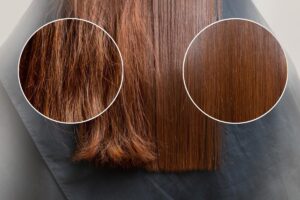
Benefits and drawbacks of keratin for hair
How to prevent hair from becoming oily after washing
The following advice may help keep your hair from getting greasy after washing:
- If you have fine hair, wash your scalp once a day or less frequently, avoiding the roots with a gentle conditioner and clarifying shampoo.
- Additionally, dietary changes such adopting a low-glycemic diet can lower the production of oil.
- Steer clear of wax-based styling products and heavy oils since they can lead to buildup and additional residue.
- Additionally, keep your pillowcases, head covers, towels, and hairbrushes clean.

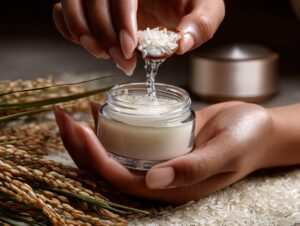
Strong and Shiny Hair with Rice Water
Ultimately, a mild clarifying wash and light, non-greasy hair treatments can help prevent hair from becoming oily too quickly. It’s also important to remember that oil output fluctuates throughout time and typically decreases with age.














1 comment